
Ask most product developers what keeps them awake at night, and flavour degradation usually sits near the top of the list. You formulate a sauce with vibrant notes of basil and garlic, only to watch those aromas vanish during retort processing. Or you perfect a marinade that tastes extraordinary fresh but loses its punch after freeze-thaw cycles. It’s frustrating, expensive, and all too common.
This is where encapsulated flavour technology comes in. By protecting delicate essential oils inside microscopic capsules, encapsulation allows you to deliver clean-label, heat-stable flavour that survives the harshest processing conditions and releases exactly when it matters most: in the mouth.
What Are Encapsulated Flavours?
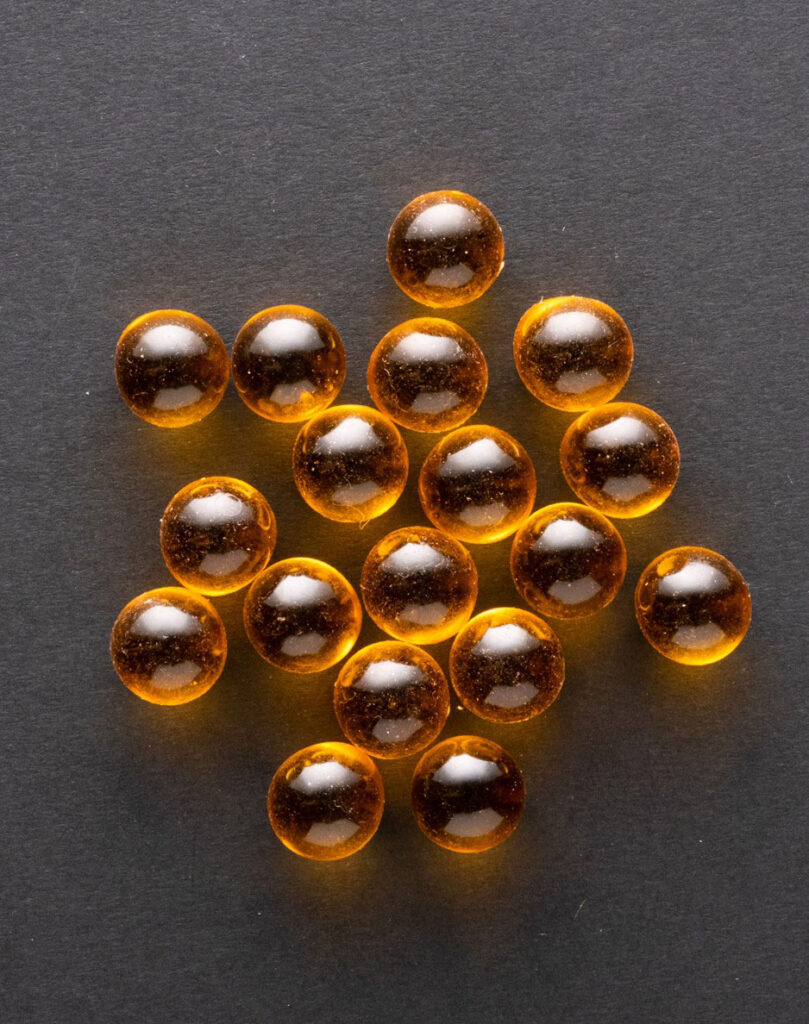
Encapsulated flavours are natural essential oils locked inside protective micro-capsules. Think of them as tiny shields that keep volatile aroma compounds safe from heat, oxygen, and moisture during processing, storage, and distribution.
Unlike spray-dried flavours, which coat oil droplets in a single layer of carrier material, true microencapsulation uses a double-wall structure. This gives encapsulated essential-oil powders far greater resilience. The capsule remains intact through baking, frying, retorting, and freezing. Then, when the consumer bites down, mechanical pressure breaks the capsule and releases the flavour instantly onto the palate.
The result? A clean, intense burst of taste that feels fresh and immediate, not faded or cooked out.
How Encapsulation Works
The magic lies in the capsule structure itself. EOPEL’s microencapsulated flavour powders feature a double-layered wall built from natural, food-grade materials. The inner layer holds the essential oil securely in place, while the outer shell provides mechanical strength and thermal protection.
Because the capsule is designed to resist heat and shear, the essential oil inside stays locked away during mixing, cooking, and freezing. Only when the capsule encounters pressure in the mouth does it rupture, delivering the full aromatic payload directly to your taste receptors.
This mouth-activated release is what sets encapsulation apart. Traditional liquid oils or spray-dried powders release flavour during processing, meaning much of the aroma dissipates before the product even reaches the consumer. With encapsulated flavour, you control the timing. The flavour arrives exactly where and when it should.
Why It Matters for Clean-Label Development
Clean label isn’t just a trend anymore. It’s a baseline expectation, especially in the UK market where consumers scrutinise ingredient lists with increasing care.
Encapsulated essential-oil powders tick all the right boxes:
- Natural inputs only. EOPEL’s powders are made from pure essential oils and natural encapsulation materials. No artificial carriers, no synthetic flavourings, no chemical stabilisers.
- Simple declarations. On pack, these ingredients read as recognisable, everyday terms. Your NPD team can confidently build formulations that align with clean-label positioning without compromising on performance.
- Consistent flavour performance. Because the encapsulation protects the oil so effectively, you get batch-to-batch reliability. No more reformulating to compensate for flavour fade or oxidation.
For product developers working under tight timelines and tighter budgets, this reliability matters enormously. You can launch with confidence, knowing the flavour profile you approved in the lab will still be there on shelf six months later.
Applications Across Food Categories

Encapsulated flavours work brilliantly across a wide range of applications, particularly in categories where processing puts traditional flavours under stress.
Coatings and seasonings benefit hugely. Whether you’re seasoning oven chips, breaded chicken, or roasted nuts, encapsulation ensures the herbs and spices stay vibrant through high-heat cooking. The flavour doesn’t bake out. It waits.
Sauces and marinades are another natural fit. Retort processing and hot-fill operations wreak havoc on delicate aromatics like garlic, ginger, and citrus. Encapsulation keeps those notes intact, so your finished sauce tastes as fresh and punchy as it did before thermal treatment.
Ready meals often cycle through freeze-thaw and reheating, both of which degrade flavour. Microencapsulated essential-oil powders hold up beautifully, maintaining taste integrity from factory to microwave.
Even confectionery and bakery applications can benefit, particularly where you want a delayed or targeted flavour release. Think mint chocolates with a sharp, clean burst, or savoury biscuits with herb top notes that pop on the first bite.
And because EOPEL manufactures in the UK, you gain the advantage of shorter lead times, easier collaboration, and supply chain transparency that matters to both your procurement team and your end customers.
Encapsulated vs. Traditional Flavours: A Quick Comparison
If you’re weighing up whether to switch from liquid oils or spray-dried powders, here’s how the technologies stack up:
Stability
Encapsulated flavours survive retort, frying, and freeze-thaw with minimal loss. Traditional flavours degrade quickly under heat and oxidation.
Dosing accuracy
Powders are easier to handle and measure than oils. You get consistent flavour strength with less waste and simpler line integration.
Sensory impact
Encapsulation delivers flavour at the moment of consumption, creating a fresh, intense taste experience. Conventional flavours often release during processing, leaving a muted or cooked profile.
Clean-label credentials
Encapsulated essential-oil powders use natural materials and require no artificial stabilisers. Many traditional flavour systems rely on synthetic carriers or additives to achieve shelf stability.
Cost efficiency
While the upfront cost per kilogram may be higher, encapsulated flavours deliver more flavour per gram. You often need less material overall, and you avoid the cost of reformulation or customer complaints due to flavour fade.
Bringing Encapsulation into Your Product Line

If you’re curious whether encapsulated flavour could work in your formulations, the best approach is to trial it in a real-world setting.
EOPEL offers sample packs and technical support designed specifically for NPD and R&D teams. You can test how the powders perform in your existing process, compare sensory results, and evaluate labelling implications before committing to a full-scale switch.
Many developers find that even a small substitution, replacing just one or two liquid oils with microencapsulated equivalents, unlocks noticeable improvements in flavour stability and consumer appeal.
The process doesn’t have to be complicated. Start with your most challenging application, the one where flavour fade is a known issue, and see what encapsulation can do.
Conclusion
Encapsulated flavours represent a genuine step forward for clean-label product development. By protecting essential oils through processing and releasing them only in the mouth, encapsulation solves one of the oldest problems in food manufacturing: how to deliver bold, natural taste that actually lasts.
If you’d like to see how EOPEL’s encapsulated flavours perform in your own products, contact us to learn more and request a sample pack today.